
Community
North Texas man dead following auto-bicyclist accident, police say
By Raquel Martinez
Advertisement · Why this ad?
Raquel is a seasoned journalist with over 15 years of experience covering local news in the Dallas-Fort Worth area. She holds a Bachelor’s degree in Journalism from the University of Texas at Arlington and has previously worked as an editor at the Dallas Morning News. Raquel is passionate about amplifying community voices and has a knack for uncovering impactful stories that resonate with readers.
More from Raquel →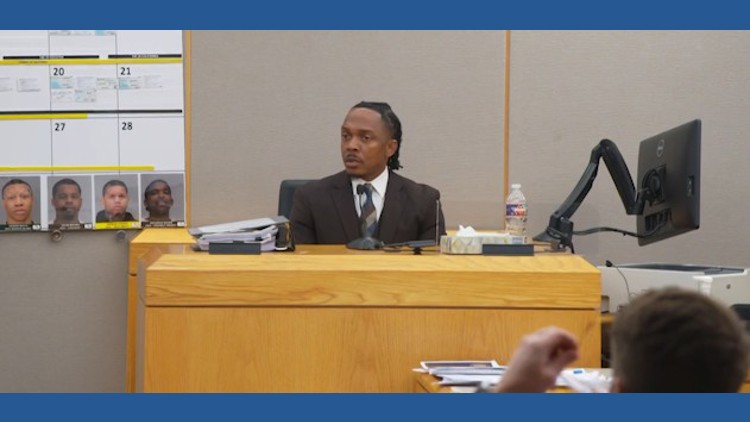
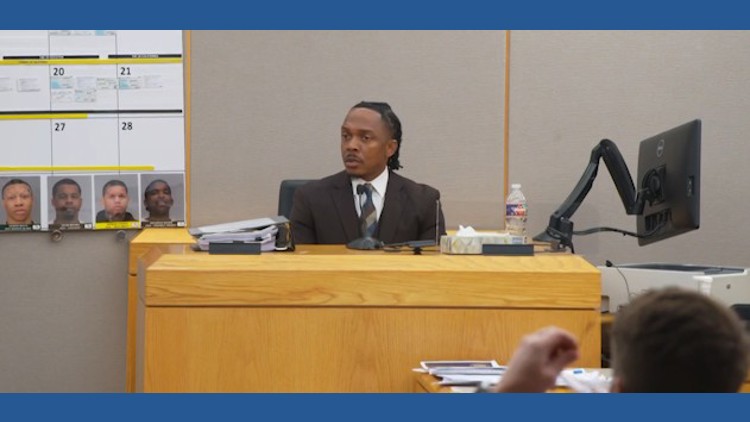
As the courtroom buzzed with anticipation, eyes were glued to the lead detective of the Dallas Police Department, who took the stand to recount the harrowing details surrounding the murder of beloved rapper Mo3. The air was thick with emotion as he described the moment he received the call that would forever change the lives of many in the community. It was November 11, 2020, when the news broke that Mo3, a rising star in the hip-hop scene, had been shot and killed in a brazen act of violence on a Dallas freeway. For many, this was not just the loss of an artist but the loss of a voice that resonated with their struggles and dreams.
The detective, whose testimony was pivotal in the ongoing trial of Yella Beezy, detailed the chaotic scene that unfolded on that fateful day. Mo3, born Melvin Noble, was shot while driving on Interstate 35. Witnesses reported hearing gunfire, and the tragic event sent shockwaves throughout the community. The detective recalled the sense of urgency as officers rushed to the scene, only to find that Mo3 had succumbed to his injuries.
In his testimony, the detective emphasized the importance of community cooperation in solving such cases. He noted that many individuals were willing to step forward, sharing what they knew about the events leading up to the shooting. This collaboration was crucial, as it painted a clearer picture of the circumstances surrounding Mo3's death. The detective’s recounting of the investigation highlighted the challenges law enforcement faces when dealing with violent crimes, especially those that involve public figures.
The impact of Mo3's murder rippled through the community, leading to an outpouring of grief and support for his family. Fans and fellow artists took to social media, sharing heartfelt tributes and memories. Many felt a deep connection to Mo3, who often spoke about the struggles of growing up in Dallas. His music resonated with the experiences of countless individuals, making his loss feel personal for many.
Local leaders and activists also expressed their sorrow, emphasizing the need for change within the community to address the violence that has plagued it for too long. “We are tired of losing our young men to senseless violence,” said a community leader during a vigil held in Mo3's honor. “We need to come together to find solutions and support each other.” This sentiment echoed throughout the city, with many calling for a renewed focus on unity and healing.
As the trial unfolds, the community watches closely, hoping for justice not only for Mo3 but for all victims of violence. The detective’s testimony serves as a reminder of the ongoing struggle against crime in the area and the importance of community involvement in creating a safer environment.
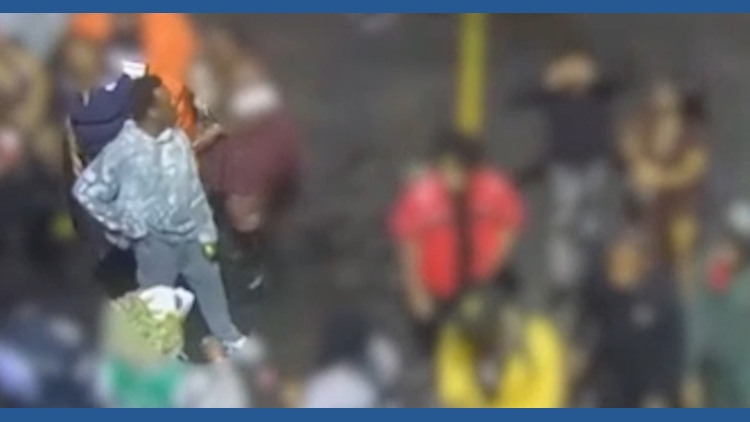
The detective's narrative provided insight into the investigative process following Mo3's murder. He outlined how detectives worked tirelessly, reviewing surveillance footage, interviewing witnesses, and following leads that would eventually lead to suspects. In a case that garnered significant media attention, the pressure was high to deliver answers to Mo3's grieving family and fans.
One of the key elements of the investigation was the collaboration between various law enforcement agencies. The detective highlighted how the Dallas Police Department worked alongside federal agencies to track down leads that extended beyond state lines. This cooperation was vital in piecing together the timeline of events and understanding the broader context of the violence that took Mo3's life.
Mo3's murder did not occur in isolation; it is part of a larger narrative of violence affecting urban communities across the nation. In Dallas, crime rates have fluctuated, with certain neighborhoods experiencing spikes in violence that mirror the struggles seen in cities like Chicago and Baltimore. The detective noted that understanding the underlying causes of such violence—economic disparity, lack of educational opportunities, and systemic issues—was critical in addressing the root of the problem. Community leaders are actively seeking to engage with local youth, providing mentorship and guidance to steer them away from violence.
As the trial progresses, the community remains hopeful for a resolution that brings justice for Mo3 and his family. Many are eager to see what the future holds, not just for the legal proceedings but for the broader conversation about violence in Dallas. Local organizations are ramping up efforts to provide resources and support for those affected by crime, emphasizing the importance of mental health and community solidarity.
In the wake of Mo3's death, initiatives aimed at youth engagement and violence prevention are gaining traction. Community leaders are working to create safe spaces where young people can express themselves through art, music, and mentorship programs. These efforts are a testament to the power of resilience and the community's commitment to honoring Mo3's legacy by fostering a safer environment for future generations.
Mo3’s story is not just one of tragedy; it is also one of hope and resilience. As the community rallies together in the face of adversity, they are reminded of the importance of strong families and committed relationships. Mo3 often spoke about the role of his family in his life, and his dedication to his loved ones serves as an inspiration to many.
In the courtroom, as the detective concluded his testimony, there was a palpable sense of determination among those present. The pursuit of justice for Mo3 transcends the legal proceedings; it represents a collective yearning for a brighter future, free from the shadows of violence. The community stands united, committed to fostering a culture of support, love, and understanding.
As we look ahead, the hope is that the lessons learned from this tragedy will spark meaningful change. By nurturing strong marriages and families, we can build a foundation of stability that resonates throughout the community. Mo3's legacy will live on, not only in his music but in the hearts of those who continue to fight for a better tomorrow. The ongoing dialogue about violence and community safety is crucial, and it is hoped that the trial will serve as a catalyst for deeper engagement and action among local leaders, law enforcement, and residents alike.
By Raquel Martinez

By Maria Gonzales
By Maria Gonzales
By Maria Gonzales