Community
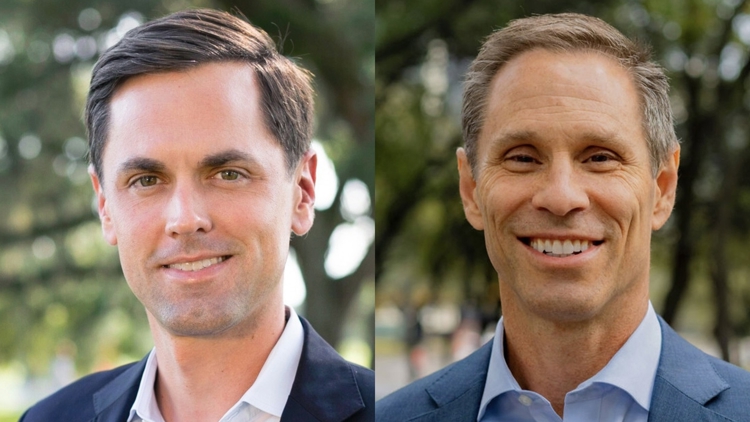
Texas election results: Mayes Middleton, Nathan Johnson vie for Texas Attorney General
By Maria Gonzales
Advertisement · Why this ad?
Maria has spent the last eight years reporting on health and wellness issues in Mesquite. She earned her degree in Public Health from the University of Texas at Dallas and has worked with the local NPR station. Her work focuses on healthcare access, public health initiatives, and the impact of social determinants on community health.
More from Maria →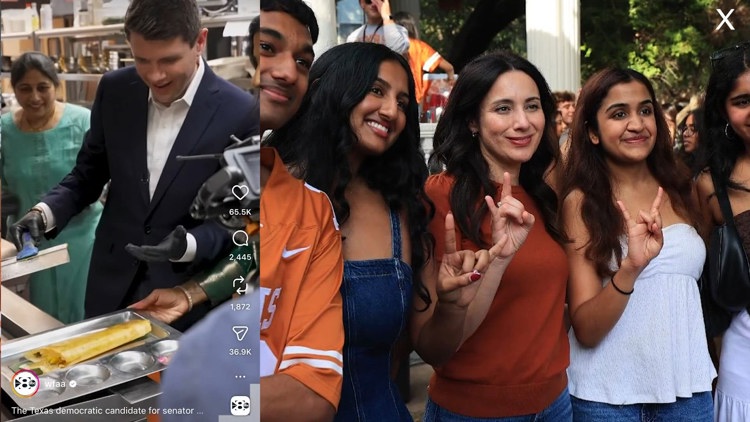
Under the bright lights of a local community center in Mesquite, a gathering of South Asian Texans buzzed with anticipation. As the evening unfolded, the atmosphere shifted from casual conversation to passionate discussions about identity and representation. Among them was Anjali Patel, a first-generation immigrant, who spoke fervently about her family's journey and the importance of standing up against anti-immigrant rhetoric. "Hate was on the ballot this election season," she declared, echoing a sentiment that resonated deeply within the room.
This past election cycle marked a pivotal moment for South Asian Texans, who emerged as a significant political force in response to controversial remarks made by local political figures. Notably, Bo French, a candidate for the Texas House, faced backlash after making comments perceived as derogatory towards immigrants. His remarks sparked outrage within the community, galvanizing South Asians to rally together and assert their presence in the political landscape.
As a result of this mobilization, the election of Texas's first Indian American House member, Michelle Wu, became a historic milestone. Wu's victory not only represented a breakthrough for South Asian representation but also served as a powerful counter to the anti-immigrant sentiments that had permeated the campaign. Her triumph illustrated the strength and determination of a community that refuses to be marginalized.
The reaction from the South Asian community in Mesquite has been overwhelmingly positive. Residents have expressed a renewed sense of hope and empowerment, recognizing that their voices matter in shaping the future of their neighborhoods and beyond. "We are not just here to exist; we are here to advocate for our rights and our families," said Raj Singh, a local business owner. His words reflect a sentiment shared by many, as the community begins to embrace a more active role in local governance.
Many community members have taken to social media to share their stories and experiences, highlighting the challenges they face as immigrants in Texas. The hashtag #SouthAsianVoices gained traction, with individuals sharing personal anecdotes of discrimination and resilience. This grassroots movement has fostered a sense of unity among South Asians, encouraging them to participate actively in local governance and civic engagement.
In addition to social media activism, community leaders have organized town hall meetings and workshops aimed at educating South Asians about their rights and the political process. These events have become vital platforms for sharing information and strategies on how to effectively engage with local government. Leaders like Aisha Khan have been instrumental in these efforts, often speaking at events to inspire others. "Every voice matters, and we need to make sure that our concerns are heard loud and clear," Khan emphasized during a recent community gathering.
The election of Michelle Wu is more than just a personal victory; it symbolizes the importance of representation in politics. For many South Asians in Mesquite, Wu's success is a beacon of hope that their experiences and concerns will finally receive the attention they deserve. "Seeing someone who looks like me in office gives me hope for my children’s future," said Aisha Khan, a community activist. This sentiment is echoed throughout the community, where many feel that Wu's presence in the legislature could lead to policies that better reflect their needs.
Representation matters not only for the South Asian community but for all marginalized groups. It sends a powerful message that diverse voices can influence policy and decision-making processes. As more South Asians step into leadership roles, they bring unique perspectives that can help shape a more inclusive and equitable society. The implications of Wu's election extend beyond her individual role; they signal a shift in the political landscape of Texas, where previously underrepresented communities are beginning to assert their influence.
Wu's election has also inspired younger generations within the South Asian community to consider careers in public service and politics. Local high schools have seen an increase in students expressing interest in political science and civic engagement, motivated by Wu's achievement. Schools are now hosting programs that invite local leaders to speak about their experiences, emphasizing the importance of representation. "We want to show our students that they can be the change-makers in their communities," said Priya Desai, a teacher at Mesquite High School.
Despite the progress made, challenges remain for South Asian Texans in Mesquite. The community continues to grapple with the effects of anti-immigrant sentiment, which can manifest in various forms, from discriminatory policies to social ostracism. These challenges can create a sense of fear and uncertainty among families, particularly those who are undocumented or have mixed-status households.
Local organizations, such as the Mesquite Chamber of Commerce, are working diligently to address these issues by providing resources and support to immigrants. Through community workshops and advocacy initiatives, they aim to empower individuals to navigate the complexities of the immigration system and advocate for their rights. These efforts are crucial, as many community members report feeling isolated and unsure of where to turn for help.
In response to these challenges, community leaders are also focusing on mental health and well-being. Recognizing that the stress of navigating a complex immigration system can take a toll on families, local nonprofits are offering counseling services and support groups specifically tailored for South Asian immigrants. This holistic approach not only addresses immediate legal concerns but also fosters a sense of community resilience. "We need to support each other emotionally and mentally, as well as politically," said Dr. Ravi Mehta, a local mental health professional.
The future looks promising for South Asian Texans as they continue to build on the momentum of this election cycle. Community leaders are calling for increased voter registration efforts and civic education programs to ensure that every voice is heard. "We need to keep this energy going, not just during elections but throughout the year," emphasized Anjali Patel.
As the community moves forward, there is a collective understanding that the fight against hate and discrimination is ongoing. By standing together and advocating for their rights, South Asian Texans in Mesquite are not only shaping their own destinies but also contributing to a broader narrative of inclusion and acceptance in Texas. The community is committed to fostering an environment where everyone, regardless of their background, can thrive.
In conclusion, the recent political developments in Mesquite highlight the resilience and determination of South Asian Texans. As they push back against anti-immigrant rhetoric, they are forging a path toward a more inclusive future. With representatives like Michelle Wu leading the charge, the community is poised to make significant strides in the fight for equality and justice. The road ahead may be challenging, but the spirit of unity and activism within the community serves as a powerful reminder that change is possible.
By Maria Gonzales

By Raquel Martinez

By Maria Gonzales

By Maria Gonzales