Community
What's next in the investigation of the Learjet crash in Florida that killed 9?
By Maria Gonzales
Advertisement · Why this ad?
Raquel is a seasoned journalist with over 15 years of experience covering local news in the Dallas-Fort Worth area. She holds a Bachelor’s degree in Journalism from the University of Texas at Arlington and has previously worked as an editor at the Dallas Morning News. Raquel is passionate about amplifying community voices and has a knack for uncovering impactful stories that resonate with readers.
More from Raquel →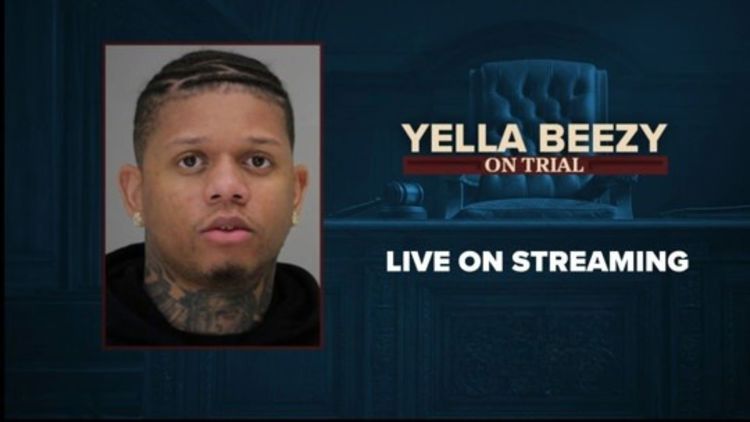
As the sun rose over Mesquite, the air was thick with anticipation and the echoes of a community grappling with the shadows of violence. Inside the courtroom, day seven of testimony unfolded in a case that has captured the attention of many, as the prosecution aims to establish that Dallas rapper Yella Beezy, born Markies Conway, orchestrated a hit on his rival, the late rapper Mo3, in 2020. This trial is more than just a legal proceeding; it’s a reflection of the struggles and realities faced by many in our community.
On the fateful day of November 11, 2020, tragedy struck when Mo3, whose real name was Melvin Noble, was shot and killed in a brazen attack on the Interstate 35E in Dallas. The incident sent shockwaves through the local music scene and beyond, leaving fans and loved ones in mourning. Now, as the trial progresses, prosecutors are piecing together evidence to demonstrate that Yella Beezy was not just a bystander but a key player in the events that led to Mo3's untimely death.
The prosecution's case hinges on establishing a motive and connections between Yella Beezy and the individuals involved in the murder. They are expected to present testimony from witnesses who claim to have heard Yella Beezy discussing plans to harm Mo3. This narrative not only highlights the rivalry between the two artists but also sheds light on the broader issues of violence and conflict that can permeate the music industry.
As the courtroom drama unfolds, the community watches closely, aware that the implications of this trial extend far beyond the lives of the individuals involved. It raises questions about the culture surrounding rap music, the challenges faced by artists, and the impact of violence on families and neighborhoods. Residents of Mesquite are left to ponder how such tragedies can be prevented in the future.
The trial has sparked a range of emotions within the community, with many expressing a desire for justice while also reflecting on the loss of a promising life. Mo3 was not only a rapper but a father, a son, and a friend to many. His death has left a void that cannot be filled, and the ongoing trial serves as a painful reminder of that loss.
Local residents have gathered outside the courthouse, holding signs and sharing stories of Mo3's influence in their lives. His music resonated with many, offering a voice to those who felt unheard. As one community member shared, "Mo3's music was like a soundtrack to our struggles; it connected us and gave us hope. Losing him was like losing a part of ourselves." This sentiment echoes throughout Mesquite, illustrating the deep ties that music can forge within a community.
Community leaders have also weighed in, emphasizing the need for unity and healing. They argue that while the trial is an important step toward justice, it is equally crucial to address the underlying issues that lead to violence. Pastor John Smith of Mesquite Community Church stated, "We need to come together as a community, not just to mourn but to find solutions. Violence is not the answer, and we must work towards a future where our children can thrive without fear." His call for action resonates with many, highlighting the importance of fostering a supportive environment for families.
Moreover, local artist and friend of Mo3, Lil’ Jay, shared his feelings about the trial, stating, "This isn’t just about Mo3 and Yella Beezy; it’s about all of us. We need to change the narrative of our community. We can’t let this define us. We need to uplift each other through our art, not tear each other down." His words reflect a growing sentiment among local artists who are advocating for peace and collaboration in a scene often marred by violence.
As the trial continues, the prosecution is expected to call additional witnesses, including those who may provide further insight into Yella Beezy's alleged involvement. The defense, on the other hand, will likely counter with arguments aimed at discrediting the prosecution's claims and emphasizing the lack of direct evidence linking Yella Beezy to the crime.
For the families affected by this tragedy, the trial represents a long-awaited pursuit of justice. It is a process fraught with emotion, and the outcome will undoubtedly have lasting repercussions for everyone involved. While the courtroom proceedings are critical, the community's healing journey will continue long after the verdict is rendered.
In the coming weeks, as more testimonies are heard and evidence presented, Mesquite will remain a focal point of this high-profile case. Residents are encouraged to stay informed and engaged, as the implications of this trial extend beyond the courtroom and into the heart of the community.
The trial has also sparked discussions among local youth about the consequences of violence and the importance of making positive choices. Schools in Mesquite are taking this opportunity to engage students in conversations about conflict resolution and the power of music as a tool for change. Programs are being organized to encourage young people to express themselves through art and music, steering them away from the cycle of violence.
Local high school counselor, Maria Gonzalez, noted, "We’re seeing a lot of students who are affected by this case. They’re asking questions and expressing their fears. It’s crucial that we provide them with a safe space to talk and explore healthier outlets for their emotions." Initiatives like these aim to foster a more supportive environment for the youth, encouraging them to channel their energy into creative and constructive activities.
In light of the ongoing trial and the emotions it stirs, it is essential for community members to seek support if needed. Organizations such as the Mesquite Chamber of Commerce and local mental health services are available for those who may be struggling with grief or trauma. Additionally, community events aimed at promoting healing and unity are being organized, providing a space for individuals to come together and support one another.
For families impacted by violence, resources like the Texas Crime Victims’ Compensation Program can offer assistance in navigating the aftermath of such tragedies. These programs are crucial in helping families rebuild their lives and find a path forward in the wake of loss.
As Mesquite looks toward the future, the hope is that this trial serves as a catalyst for change. Community leaders are advocating for initiatives that address the root causes of violence, including youth mentorship programs and increased access to mental health resources. They believe that by investing in the community, they can create an environment where families can flourish and children can grow up in safety.
In conclusion, the trial of Yella Beezy is not just about the pursuit of justice for Mo3; it is about the resilience of a community determined to heal and move forward. As the days unfold, we are reminded that every story has the power to connect us, to inspire us, and to challenge us to build a better tomorrow.
By Maria Gonzales
By Rachel Gonzalez
By Maria Gonzales

By Raquel Martinez