
Government
Texas election results: Dallas voters weigh in on Prop A and a $443M bond for new police facilities
By Jordan Lee
Advertisement · Why this ad?
Tasha brings her love for athletics and storytelling to the forefront as she covers high school sports in Mesquite. She graduated from Texas Woman's University and has previously worked with the Fort Worth Weekly. With five years of experience, her reports emphasize student-athletes' journeys both on and off the field.
More from Tasha →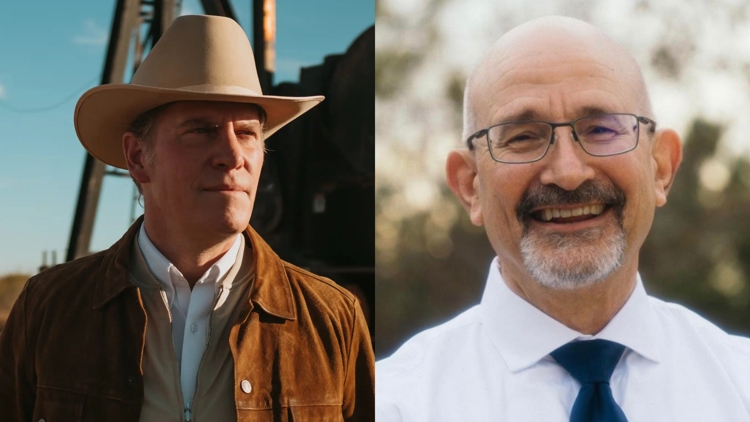
As the sun dipped below the horizon, casting a golden glow over the bustling streets of Mesquite, the excitement in the air was palpable. Families gathered around their dinner tables, discussing the recent Texas election results that would shape the future of their community. Among the most talked-about races was that for Texas Railroad Commissioner, a position that plays a crucial role in regulating the state’s energy industry. With candidates Bo French and Jon Rosenthal vying for the seat, residents are keenly aware of the implications these results hold for their families and futures.
In the recent elections, Bo French and Jon Rosenthal emerged as the primary candidates for the Texas Railroad Commission. This commission, though historically associated with railroads, has evolved to oversee the state’s oil and gas industry, making it a pivotal role in Texas, where energy is a cornerstone of the economy. The commission’s decisions impact everything from job creation to environmental regulations, affecting countless families across the state.
French, a seasoned energy executive, campaigned on a platform promising to enhance Texas' energy independence while ensuring responsible environmental practices. He emphasized the need for innovation in the energy sector, aiming to attract new investments that would benefit local communities. On the other hand, Rosenthal, a former state representative, focused on advocating for renewable energy sources and stricter regulations on fossil fuels, arguing that the future of Texas lies in sustainable practices.
As the results rolled in, residents of Mesquite expressed mixed feelings about the candidates. Local business owner Maria Gonzalez shared her thoughts, saying, "We need someone who understands the balance between economic growth and environmental responsibility. Bo French seems to have that experience, but I worry about the long-term effects of fossil fuels on our children’s future."
Conversely, many in the community rallied behind Rosenthal’s vision for a greener Texas. High school teacher James Carter noted, "It’s time for Texas to lead in renewable energy. We have the resources and the talent; we just need the right leadership to guide us there." This sentiment reflects a growing awareness among younger generations about climate change and sustainable practices.
The division in opinions among the residents of Mesquite illustrates a broader trend seen across Texas. As families gather to discuss their hopes and concerns, it’s clear that the implications of the Railroad Commission extend beyond mere politics; they touch upon the very fabric of family life and the community's future.
The Texas Railroad Commission's decisions have far-reaching consequences. From regulating oil drilling to overseeing natural gas production, the commission's policies directly affect local economies and the environment. With Texas being the leading oil producer in the United States, the commission's role is crucial in ensuring that the industry operates safely and responsibly.
Moreover, as families in Mesquite consider their future, the candidates' stances on energy policy resonate deeply. French's commitment to traditional energy sources promises job stability for many, while Rosenthal's push for renewable energy highlights the need for innovation and sustainability. These contrasting visions reflect the broader national conversation about energy policy and climate change.
For the residents of Mesquite, the election results signify more than just a political shift; they represent a choice about the kind of future they want for their families. As the community grapples with the implications of these results, many are looking for ways to engage more deeply in local governance and advocacy.
Local organizations, such as the Mesquite Chamber of Commerce, are stepping up to educate residents about the importance of engaging with the Railroad Commission and understanding its impact on local businesses and families. They emphasize that informed citizens can better advocate for policies that align with their values and needs.
In response to the election results, community forums are being organized to discuss the implications of the candidates' policies. Residents are encouraged to attend these meetings to voice their opinions and understand how they can influence local energy policies. The importance of family involvement in these discussions cannot be overstated, as strong communities are built on active participation and commitment.
One such forum is scheduled for next month at the Mesquite Public Library, where experts in energy policy will discuss the future of energy in Texas and how it affects local communities. These discussions aim to empower residents, providing them with the tools and knowledge needed to make informed decisions and advocate for their interests.
Many residents have personal stories that highlight the stakes involved in the Railroad Commission's decisions. For example, lifelong Mesquite resident Tom Jenkins, whose family has worked in the oil industry for generations, expressed his concerns: "While I appreciate the need for renewable energy, I have seen firsthand how oil and gas jobs support families in our community. We need to ensure a smooth transition that doesn’t leave hardworking people behind."
This perspective resonates with many older residents who have built their livelihoods around traditional energy sources. However, younger residents, like college student Maria Lopez, argue for a different approach: "We need to think about the future. If we don’t invest in renewable energy now, we’re going to face even bigger problems down the line."
This generational divide showcases the complexity of the energy debate in Texas, as both sides advocate for their vision of a sustainable future while grappling with the realities of economic dependence on fossil fuels.
As Mesquite moves forward, the impact of the Texas Railroad Commission will be felt in every household. The choices made by French and Rosenthal will shape the energy landscape for years to come, influencing job opportunities, environmental health, and the overall quality of life for families in the area.
Residents are hopeful that regardless of who ultimately takes office, the focus will remain on creating a sustainable future for the next generation. The commitment to family values and community well-being remains strong, as families in Mesquite continue to advocate for their interests and seek leaders who share their vision.
As the dust settles from the election, it’s clear that the residents of Mesquite are ready to engage more actively in the political process. The future of Texas’ energy policy is not just in the hands of elected officials; it lies with the community members who care deeply about their families and the environment. By uniting their voices, they can ensure that their values are represented and that their community thrives.
In the coming weeks, residents are encouraged to participate in local advocacy groups and attend city council meetings to stay informed and involved. By doing so, they can help shape the policies that will define their community’s future, ensuring that the voices of all residents are heard and considered in the ongoing conversation about energy and sustainability.
By Jordan Lee

By Jordan Lee

By Miguel Torres

By Amira Patel