
Schools
Community in mourning after student dies in Sunday morning accident, district says
By Maria Gonzales
Advertisement · Why this ad?
Marcus has spent over a decade reporting on local business and economic development issues. He earned his degree in Business Administration from Texas Christian University and previously reported for KERA, the NPR affiliate in Dallas. His in-depth analyses often highlight the intersection of local policies and small business sustainability.
More from Marcus →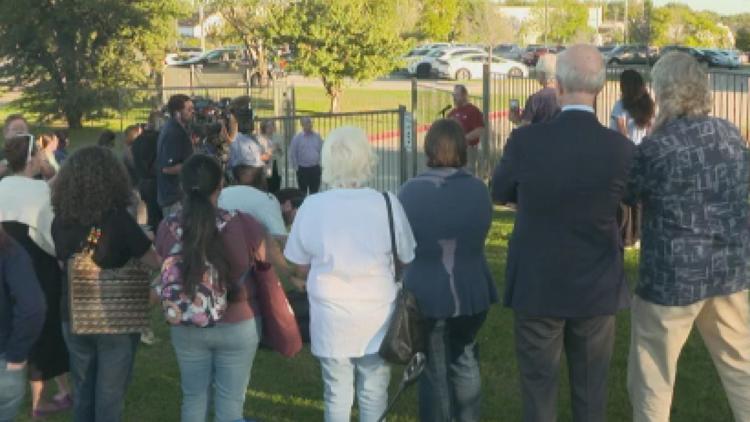
As the sun dipped below the horizon in Fort Worth, a palpable tension filled the air at a recent school board meeting. Parents and community members crowded the room, their faces a mix of determination and concern. Among them was Maria Gonzalez, a mother of three, who stood up to voice her worries about the future of her children's education. "We need stability in our schools, not uncertainty," she declared, her voice resonating with the crowd. This moment encapsulates the growing unease among parents in the Fort Worth Independent School District (FWISD) as they call for a pause on major decisions by the newly appointed state board of managers.
In recent weeks, the FWISD has been in the spotlight due to significant changes in governance, with a state-appointed board of managers now overseeing district operations. Parents are urging this board to delay any major decisions, particularly concerning campus sales and closures. The call for a pause comes amidst discussions of potential leadership changes at the state level, which could affect the district's future direction.
The board's recent actions have sparked a wave of anxiety among parents, who fear that hasty decisions could jeopardize their children's educational environment. "We are at a crucial juncture," said David Thompson, a concerned parent and local activist. "Rushing into decisions without community input is not the way to move forward." The board's management has been met with skepticism, and parents are advocating for a more inclusive approach to decision-making.
The urgency of this request highlights the broader context of educational governance in Texas. With the state's education system undergoing significant scrutiny, the decisions made by the FWISD board could have lasting implications for the community. Parents are not only concerned about the immediate impacts of closures but also about the long-term effects on district stability and student performance.
The potential decisions facing the FWISD board are not just administrative—they could reshape the educational landscape of Fort Worth. The district serves a diverse population, with approximately 80% of students coming from economically disadvantaged backgrounds. For many families, local schools are not just places of learning; they are vital community hubs that provide resources, support, and a sense of belonging.
“Our schools are the heart of our neighborhoods,” said Elena Ruiz, a teacher and parent who has lived in Fort Worth for over a decade. “Closing schools would mean losing more than just a building; it would mean losing a community space where families gather, children learn, and friendships are formed.”
The emotional weight of these decisions is compounded by the fact that many parents have deep ties to their local schools. For instance, John and Lisa Martinez, who have two elementary school students, shared how their children have developed strong relationships with teachers and peers. “It’s not just about academics,” Lisa explained. “It’s about the community we’ve built here. If our school closes, we risk losing that connection.”
The outcry from parents is not isolated; it reflects a growing sentiment within the Fort Worth community. Many residents are rallying together, forming coalitions to advocate for their children's education. Local organizations, such as the Fort Worth Chamber of Commerce, have begun to take notice of the parents' pleas, recognizing the potential economic implications of school closures in the area.
Community meetings have seen record attendance as parents voice their concerns. “This isn’t just about schools; it’s about our community’s future,” said Elena Ruiz, a local teacher and parent. “We need to ensure that our children have access to quality education in a stable environment.” The collective voice of parents is becoming increasingly difficult for the board to ignore.
Many parents have shared personal stories about the impact of potential school closures on their families. For instance, John and Lisa Martinez, parents of two elementary school students, expressed their fears about being forced to relocate if their neighborhood school were to close. “We bought our home here because of the school district,” Lisa explained. “If they close our school, it could mean moving away from our community.”
These sentiments are echoed throughout the district, as families grapple with the implications of a changing educational landscape. Parents are advocating for a comprehensive review of the district's plans, emphasizing the need for transparency and community involvement in any future decisions.
Looking ahead, the future of the Fort Worth ISD hangs in the balance. As the state board of managers considers the parents' request for a pause, the community is left wondering what this means for their children's education. The board has yet to respond officially to the parents' calls for delay, but the pressure is mounting.
In the coming weeks, community leaders plan to organize a series of forums aimed at fostering dialogue between parents and the board. These forums will serve as a platform for parents to express their concerns and for board members to present their plans. “We want to create an open line of communication,” said Thompson, who is spearheading the initiative. “It’s vital that our voices are heard.”
Meanwhile, state officials are monitoring the situation closely. With potential changes in leadership at the state level, the decisions made by the FWISD board could set a precedent for how other districts handle similar situations. The outcomes in Fort Worth may very well influence educational policies across Texas.
The situation in Fort Worth is emblematic of a larger trend seen in school districts across Texas and the nation. As educational governance faces increasing scrutiny, the role of community input in decision-making processes has never been more critical. The push for transparency and accountability resonates not only within the FWISD but also in other districts grappling with similar governance changes.
As parents like Maria Gonzalez and David Thompson continue to advocate for their children’s education, their efforts are a reminder of the power of grassroots movements. The collective action of concerned parents can lead to meaningful change, influencing not just local policy but potentially shaping state-wide educational reforms.
The ongoing situation in the Fort Worth Independent School District serves as a crucial reminder of the importance of community involvement in educational governance. As parents mobilize to advocate for their children’s futures, their efforts highlight the need for stability and transparency in decision-making processes. The outcome of this call for a pause on major decisions could have far-reaching effects, not just for Fort Worth, but for school districts across the state. Parents like Maria Gonzalez and David Thompson are not merely fighting for their children’s education; they are standing up for their community’s future, emphasizing the vital role of committed families and strong educational foundations in building a thriving society.
By Maria Gonzales

By Stephen Morales

By Raquel Martinez

By Maria Gonzales